Publications
Theses
Browse the PhD theses.
Papers
Here you find our published or submitted papers. Click on the titles to see the abstracts:
-
2011
-
Conductance fluctuations in graphene devices with superconducting contacts in different charge density regimes
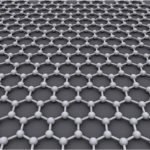
F. Freitag et al., Phys. Status Solidi B 248, 2649 (2011)Conductions fluctuations (CF) are studied in single layer graphene devices with superconducting source and drain contacts made from aluminium. The CF are found to be enhanced by superconductivity by a factor of 1.4–2. This (near) doubling of the CF indicates that the phase coherence length is lf LΦ=2. As compared to previous work, we find a relatively weak dependence of the CF on the gate voltage, and hence on the carrier density. We also demonstrate that whether the CF are larger or smaller at the charge neutrality point (CNP) can be strongly dependent on the series resistance RC, which needs to be subtracted. -
Graphene Transistors Are Insensitive to pH Changes in Solution
W. Fu et al., Nano Lett. 11, 3597 (2011)We observe very small gate-voltage shifts in the transfer characteristic of as-prepared graphene field-effect tran- sistors (GFETs) when the pH of the buffer is changed. This observation is in strong contrast to Si-based ion-sensitive FETs. The low gate-shift of a GFET can be further reduced if the graphene surface is covered with a hydrophobic fluorobenzene layer. If a thin Al-oxide layer is applied instead, the opposite happens. This suggests that clean graphene does not sense the chemical potential of protons. A GFET can therefore be used as a reference electrode in an aqueous electrolyte. Our finding sheds light on the large variety of pH-induced gate shifts that have been published for GFETs in the recent literature. -
Finite-Bias Cooper Pair Splitting
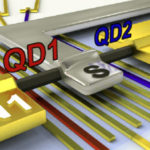
L. Hofstetter et al., Phys. Rev. Lett. 107, 136801 (2011)In a device with a superconductor coupled to two parallel quantum dots (QDs) the electrical tunability of the QD levels can be used to exploit nonclassical current correlations due to the splitting of Cooper pairs. We experimentally investigate the effect of a finite potential difference across one quantum dot on the conductance through the other completely grounded QD in a Cooper pair splitter fabricated on an InAs nanowire. We demonstrate that the nonlocal electrical transport through the device can be tuned by electrical means and that the energy dependence of the effective density of states in the QDs is relevant for the rates of Cooper pair splitting (CPS) and elastic cotunneling. Such experimental tools are necessary to understand and develop CPS-based sources of entangled electrons in solid-state devices. -
Gate-tunable split Kondo effect in a carbon nanotube quantum dot
A. Eichler et al., Nanotechnology 22, 265204 (2011)We show a detailed investigation of the split Kondo effect in a carbon nanotube quantum dot with multiple gate electrodes. Two conductance peaks, observed at finite bias in nonlinear transport measurements, are found to approach each other for increasing magnetic field, to result in a recovered zero bias Kondo resonance at finite magnetic field. Surprisingly, in the same charge state, but under different gate configurations, the splitting does not disappear for any value of the magnetic field, but we observe an avoided crossing. We think that our observations can be understood in terms of a two-impurity Kondo effect with two spins coupled antiferromagnetically. The exchange coupling between the two spins can be influenced by a local gate, and the non-recovery of the Kondo resonance for certain gate configurations is explained by the existence of a small antisymmetric contribution to the exchange interaction between the two spins. -
Signal-to-noise ratio in dual-gated silicon nanoribbon field-effect sensors
A. Tarasov et al., Appl. Phys. Lett 98, 012114 (2011)Recent studies on nanoscale field-effect sensors reveal the crucial importance of the low-frequency noise for determining the ultimate detection limit. In this letter, the 1/f-type noise of Si nanoribbon field-effect sensors is investigated. We demonstrate that the signal-to-noise ratio can be increased by almost two orders of magnitude if the nanoribbon is operated in an optimal gate voltage range. In this case, the additional noise contribution from the contact regions is minimized, and an accuracy of 0.5‰ of a pH shift in 1 Hz bandwidth can be reached.
-
-
2010
-
Permalloy-based carbon nanotube spin-valve
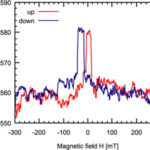
H. Aurich et al., Appl. Phys. Lett 97, 153116 (2010)In this paper we demonstrate that permalloy (Py), a widely used Ni/Fe alloy, forms contacts to carbon nanotubes (CNTs) that meet the requirements for the injection and detection of spin-polarized currents in carbon-based spintronic devices. We establish the material quality and magnetization properties of Py strips in the shape of suitable electrical contacts and find a sharp magnetization switching tunable by geometry in the anisotropic magnetoresistance (AMR) of a single strip at cryogenic temperatures. In addition, we show that Py contacts couple strongly to CNTs, comparable to Pd contacts, thereby forming CNT quantum dots at low temperatures. These results form the basis for a Py-based CNT spin-valve exhibiting very sharp resistance switchings in the tunneling magnetoresistance, which directly correspond to the magnetization reversals in the individual contacts observed in AMR experiments. -
Hybrid superconductor–quantum dot devices
S. De Franceschi et al., Nature Nanotech. 5, 703 (2010)Advances in nanofabrication techniques have made it possible to make devices in which superconducting electrodes are connected to non-superconducting nanostructures such as quantum dots. The properties of these hybrid devices result from a combination of a macroscopic quantum phenomenon involving large numbers of electrons (superconductivity) and the ability to control single electrons, offered by quantum dots. Here we review research into electron transport and other fundamental processes that have been studied in these devices. We also describe potential applications, such as a transistor in which the direction of a supercurrent can be reversed by adding just one electron to a quantum dot. -
Nernst Limit in Dual-Gated Si-Nanowire FET Sensors
O. Knopfmacher et al., Nano Lett. 10, 2268 (2010)Field effect transistors (FETs) are widely used for the label-free detection of analytes in chemical and biological experiments. Here we demonstrate that the apparent sensitivity of a dual-gated silicon nanowire FET to pH can go beyond the Nernst limit of 60 mV/pH at room temperature. This result can be explained by a simple capacitance model including all gates. The consistent and reproducible results build to a great extent on the hysteresis- and leakage-free operation. The dual-gate approach can be used to enhance small signals that are typical for bio- and chemical sensing at the nanoscale. -
Magnetic field and contact resistance dependence of non-local charge imbalance
A. Kleine et al., Nanotechnology 21, 274002 (2010)Crossed Andreev reflection (CAR) in metallic nanostructures, a possible basis for solid-state electron entangler devices, is usually investigated by detecting non-local voltages in multi-terminal superconductor/normal metal devices. This task is difficult because other subgap processes may mask the effects of CAR. One of these processes is the generation of charge imbalance (CI) and the diffusion of non-equilibrium quasi-particles in the superconductor. Here we demonstrate a characteristic dependence of non-local CI on a magnetic field applied parallel to the superconducting wire, which can be understood by a generalization of the standard description of CI to non-local experiments. These results can be used to distinguish CAR and CI and to extract CI relaxation times in superconducting nanostructures. In addition, we investigate the dependence of non-local CI on the resistance of the injector and detector contacts and demonstrate a quantitative agreement with a recent theory using only material and junction characteristics extracted from separate direct measurements. -
Superconductivity enhanced conductance fluctuations in few layer graphene
J. Trbovic et al., Nanotechnology 21, 274005 (2010)Abstract. We investigate the mesoscopic disorder induced rms conductance variance δG in short few layer graphene flakes (FLG) contacted by two superconducting (S) Ti/Al contacts. By sweeping the back-gate voltage, we observe pronounced conductance fluctuations superimposed on a linear background of the two terminal conductance G. The linear gate-voltage induced response can be modelled by a set of interlayer and intralayer capacitances. δG depends on temperature T and source- drain voltage Vsd . δG increases with decreasing T and |Vsd |. When lowering |Vsd |, a pronounced cross-over at a voltage corresponding to the superconducting energy gap Δ is observed. For |Vsd | ≤ Δ the fluctuations are markedly enhanced. Expressed in the conductance variance GGS of one graphene-superconductor (G-S) interface, values of 0.58 e2/h are obtained at the base temperature of 230 mK. The conductance variance in the sub-gap region are larger by up to a factor of 1.4 − 1.8 compared to the normal state. The observed strong enhancement is due to phase coherent charge transfer caused by Andreev reflection at the graphene-superconductor interface. -
Ferromagnetic Proximity Effect in a Ferromagnet–Quantum-Dot–Superconductor Device
L. Hofstetter et al., Phys. Rev. Lett. 104, 246804 (2010)The ferromagnetic proximity effect is studied in InAs nanowire based quantum dots strongly coupled to a ferromagnetic (F) and a superconducting (S) lead. The influence of the F lead is detected through the splitting of the spin-1/2 Kondo resonance. We show that the F lead induces a local exchange field on the quantum dot, which has varying amplitude and sign depending on the charge states. The interplay of the F and S correlations generates an exchange field related subgap feature. -
Novel Cruciform Structures as Model Compounds for Coordination Induced Single Molecule Switches
S. Grunder et al., Chimia 64, 140 (2010)We have synthesized various molecular cruciforms consisting of two different crossing π-systems and comprising crosswise arranged thiol- and pyridine-anchor groups. With these model compounds we strive towards the investigation of a new switching concept based on the potential dependent coordination of pyridines to gold electrodes in an electrochemical set-up. Integration of these cruciform molecules between both electrodes of a mechanically controlled break junction in a liquid environment gave insight into their single molecule transport properties. These studies allowed individual transport characteristics to be assigned to the bar subunits of the cruciforms but also revealed the remaining experimental challenges to realize the suggested switching concept. -
Eine Trenneinrichtung für Quantenpaare
C. Schönenberger, Physik in unserer Zeit 2, 58-59 (2010)Die Quantenmechanik erlaubt neben der Überlagerung von Zuständen auch deren Verschränkung. Das betrifft Teilchen mit Ruhemasse wie Elektronen ebenso wie masselose Photonen. Zwei Forscherteams ist es jüngst gelungen, verschränkte Elektronen in Form von Cooper-Paaren als Quelle verschränkter Elektronen zu nutzen [1, 2]. Dies eröffnet neue Möglichkeiten für grundlegende Experimente zur Quantenmechanik und könnte den Weg zur Quanteninformation auf einem Chip ebnen. -
Cyclic Conductance Switching in Networks of Redox-Active Molecular Junctions
J. Liao et al., Nano Lett. 10, 759–764 (2010)Redox-active dithiolated tetrathiafulvalene derivatives (TTFdT) were inserted in two-dimensional nanoparticle arrays to build interlinked networks of molecular junctions. Upon oxidation of the TTFdT to the dication state, we observed a conductance increase of the networks by up to 1 order of magnitude. Successive oxidation and reduction cycles demonstrated a clear switching behavior of the molecular junction conductance. These results show the potential of interlinked nanoparticle arrays as chemical sensors. br> Supplementary information -
Oligoaryl Cruciform Structures as Model Compounds for Coordination-Induced Single-Molecule Switches
S. Grunder et al., Eur. J. Org. Chem., 833–845 (2010)The synthesis of two new cruciform structures 3 and 4 comprising an oligo(phenylene-vinylene) (OPV) and a perpen- dicular oligoaryl bar – namely an oligophenylene (OP) (3) and a naphthyl–phenyl–naphthyl system (4) – is reported. The OPV rod consists of two terminal pyridine units, whereas the oligoaryl rod bears two terminal acetylsulfanyl groups as protected anchor groups. The OPV bar was assembled via a Horner–Wadsworth–Emmons reaction, which directly led to the desired E,E isomers. The perpendicular oligoaryl bars were assembled with a Suzuki reaction using the corre- sponding boronic acids, which were already fitted with an ethyl-trimethylsilane (ethyl-TMS) sulfanyl group. In a last step, the ethyl-TMS-protected sulfur atoms were transprotected to the thioacetyl units. The cruciform structures 3 and 4 are model compounds to investigate a coordination- induced single-molecule switch exploiting the potentialdependant different bonding strengths of the anchor groups to gold. Metal–molecule–metal junctions were formed using a mechanically controllable break junction (MCBJ) setup. Current traces of molecular junctions were statistically analyzed. Further investigations of model compounds consisting only of the single bar confirm that individual molecules carrying the required function for the switching experiments were trapped between two electrodes and were mainly immobilized via thiol–gold anchor bonds.
-
-
2009
-
Light-controlled conductance switching of ordered metal-molecule-metal devices
S. J. van der Molen et al., Nano Lett. 9 (1), 76-80 (2009)We demonstrate reversible, light-controlled conductance switching of molecular devices based on photochromic diarylethene molecules. These devices consist of ordered, two-dimensional lattices of gold nanoparticles, in which neighboring particles are bridged by switchable molecules. We independently confirm that reversible isomerization of the diarylethenes employed is at the heart of the room-temperature conductance switching. For this, we take full advantage of the possibility to use optical spectroscopy to follow molecular switching in these samples. -
Dual Gated Silicon Nanowire Field Effect Transistors
Silicon Nanowire field effect transistors (SiNWFETs) are ideal candidates for basic sensing units. We report here on a top down fabrication process in SOI wafers yielding SiNWFETs. We operate the SiNWFETs in a liquid cell and control their operation with two gates: a liquid gate and a back gate. We compare the combined effects of the two gates (dual gating) on the transport characteristics in electrolytes and show that both gates are essential to perform well-defined sensing experiments.
-
Cooper pair splitter realized in a two-quantum-dot Y-junction
Non-locality is a fundamental property of quantum mechanics that manifests itself as correlations between spatially separated parts of a quantum system. A fundamental route for the explora- tion of such phenomena is the generation of Einstein–Podolsky– Rosen (EPR) pairs of quantum-entangled objects for the test of so-called Bell inequalities. Whereas such experimental tests of non-locality have been successfully conducted with pairwise entangled photons, it has not yet been possible to realize an elec- tronic analogue of it in the solid state, where spin-1/2 mobile electrons are the natural quantum objects. The difficulty stems from the fact that electrons are immersed in a macroscopic ground state—the Fermi sea—which prevents the straightforward genera- tion and splitting of entangled pairs of electrons on demand. A superconductor, however, could act as a source of EPR pairs of electrons, because its ground-state is composed of Cooper pairs in a spin-singlet state. These Cooper pairs can be extracted from a superconductor by tunnelling, but, to obtain an efficient EPR source of entangled electrons, the splitting of the Cooper pairs into separate electrons has to be enforced. This can be achieved by having the electrons ‘repel’ each other by Coulomb inter- action. Controlled Cooper pair splitting can thereby be realized by coupling of the superconductor to two normal metal drain contacts by means of individually tunable quantum dots. Here we demonstrate the first experimental realization of such a tunable Cooper pair splitter, which shows a surprisingly high effi- ciency. Our findings open a route towards a first test of the EPR paradox and Bell inequalities in the solid state.
-
Surface plasmon enhanced photoconductance of gold nanoparticle arrays with incorporated alkane linkers
We report on a photoconductive gain effect in two-dimensional arrays of gold nanoparticles (NPs) in which alkane molecules are inserted. The NP arrays are formed by a self-assembly process from alkanethiol-coated gold NPs, and subsequently they are patterned on a Si/ SiO2 chip by a microcontact printing technique. We find that the photoconductance of the arrays is strongly enhanced at the frequency of the surface plasmon of the NPs. We interpret the observation as a bolometric enhancement in the conductance of the NP arrays upon excitation of the surface plasmon resonance.
-
Contact resistance dependence of crossed Andreev reflection
We report experiments in nanometer-scaled superconductor/normal metal hybrid devices which show that in a small window of contact resistances, crossed Andreev reflection (CAR) can dominate the nonlocal transport for all energies below the superconducting gap. Besides crossed Andreev reflection, elastic cotunneling (EC) and nonlocal charge imbalance can be identified as competing subgap transport mechanisms in temperature-dependent four-terminal nonlocal measurements. We demonstrate a systematic change of the nonlocal resistance vs. bias characteristics with increasing contact resistances, which can be varied in the fabrication process. For samples with higher contact resistances, CAR is weakened relative to EC in the midgap regime, possibly due to dynamical Coulomb blockade. Gaining control of crossed Andreev reflection is an important step towards the realization of a solid-state entangler.
-
Tuning the Josephson current in carbon nanotubes with the Kondo effect
We investigate the Josephson current in a single wall carbon nanotube connected to superconducting electrodes. We focus on the parameter regime in which transport is dominated by Kondo physics. A sizeable supercurrent is observed for odd number of electrons on the nanotube when the Kondo temperature TK is sufficiently large compared to the superconducting gap. On the other hand when, in the center of the Kondo ridge, TK is slightly smaller than the superconducting gap, the supercurrent is found to be extremely sensitive to the gate voltage VBG. Whereas it is largely suppressed at the center of the ridge, it shows a sharp increase at a finite value of VBG. This increase can be attributed to a doublet-singlet transition of the spin state of the nanotube island leading to a phase shift in the current phase relation. This transition is very sensitive to the asymmetry of the contacts and is in good agreement with theoretical predictions.
-
Finite-bias visibility dependence in an electronic Mach-Zehnder interferometer
We use an electronic Mach-Zehnder interferometer to explore the nonequilibrium coherence of the electron waves within the edge states that form in the integral quantum-Hall-effect device. The visibility of the inter- ference as a function of bias voltage and transmission probabilities of the mirrors, which are realized by quantum point contacts, reveals an unexpected asymmetry at finite bias when the transmission probability T of the mirror at the input of the interferometer is varied between 0 and 100%, while the transmission probability of the other mirror at the output is kept fixed. This can lead to the surprising result of an increasing magnitude of interference with increasing bias voltage for certain values of T. A detailed analysis for various transmission probabilities and different directions of the magnetic field demonstrates that this effect is not related to the transmission characteristics of a single-quantum point contact but is an inherent property of the Mach-Zehnder interferometer with edge states.
-
-
2008
-
Detection of Transient Events in the Presence of Background Noise
W. Grange et al., J. Phys. Chem. B, 112, 7140–7144 (2008))We describe a method to detect and count transient burstlike signals in the presence of a significant stationary noise. To discriminate a transient signal from the background noise, an optimum threshold is determined using an iterative algorithm that yields the probability distribution of the background noise. Knowledge of the probability distribution of the noise then allows the determination of the number of transient events with a quantifiable error (wrong-positives). We apply the method, which does not rely on the choice of free parameters, to the detection and counting of transient single-molecule fluorescence events in the presence of a strong background noise. The method will be of importance in various ultra sensing applications.
-
Scaling of 1/f noise in tunable break junctions
ZhengMing Wu et al., Phys. Rev. B 78, 235421 (2008)We have studied the 1/f voltage noise of gold nanocontacts in electromigrated and mechanically controlled break junctions having resistance values R that can be tuned from 10 Ω (many channels) to 10 kΩ (single- atom contact). The noise is caused by resistance fluctuations as evidenced by the SV ∝ V2 dependence of the power-spectral density SV on the applied dc voltage V. As a function of R the normalized noise SV / V2 shows a pronounced crossover from ∝R3 for low-Ohmic junctions to ∝R1.5 for high-Ohmic ones. The measured powers of 3 and 1.5 are in agreement with 1/f noise generated in the bulk and reflect the transition from diffusive to ballistic transport. -
Giant g-factor fluctuations in InAs Nanowire Quantum Dots
S. Csonka et al., Nano Lett. 8, 3932 (2008)We study the g-factor of discrete electron states in InAs nanowire based quantum dots. The g values are determined from the magnetic field splitting of the zero bias anomaly due to the spin ½ Kondo effect. Unlike to previous studies based on 2DEG quantum dots, the g-factors of neighboring electron states show a surprisingly large fluctuation: g can scatter between 2 and 18. Furthermore electric gate tunability of the g-factor is demonstrated. -
Molecular Junctions based on Aromatic Coupling
Songmei Wu et al., Nature Nanotech. 3, 569 (2008)If individual molecules are to be used as building blocks for electronic devices, it will be essential to understand charge transport at the level of single molecules. Most existing experiments rely on the synthesis of functional rod-like molecules with chemical linker groups at both ends to provide strong, covalent anchoring to the source and drain contacts. This approach has proved very successful, providing quantitative measures of single-molecule conductance, and demonstrating rectification and switching at the single- molecule level. However, the influence of intermolecular interactions on the formation and operation of molecular junctions has been overlooked. Here we report the use of oligo-phenylene ethynylene molecules as a model system, and establish that molecular junctions can still form when one of the chemical linker groups is displaced or even fully removed. Our results demonstrate that aromatic π-π coupling between adjacent molecules is efficient enough to allow for the controlled formation of molecular bridges between nearby electrodes. -
Conductance values of alkanedithiol molecular junctions
M. T. Gonzalez et al., New J. Phys. 10, 065018 (2008)We study the electrical conductance of octanedithiol molecular junctions using a mechanically controllable break-junction setup. The stability of the system allows control of whether the electrodes get into contact before each new molecular junction formation or not (contact and non-contact modes). We find three characteristic conductance values for octanedithiol. Well-defined peaks in the conductance histograms at multiples of 1.2 × 10⁻⁵ G0 suggest that this value corresponds to the conductance of a single molecular junction conductance. Reproducible features are also observed at 4.5 × 10⁻⁵ and 2.3 × 10⁻⁴ G0. The first value has the strongest statistical weight, whereas the second is only observed in the non-contact mode. We propose that these two values reflect the formation of several molecular junctions in parallel between the electrodes. -
Interlinking Au nanoparticles in 2D arrays via conjugated dithiolated molecules
Jianhui Liao et al., New J. Phys. 10, 065019 (2008)We investigate the importance of anchoring end-groups in conjugated oligomers for the formation of molecular junction networks. Oligo(phenylene ethynylene) with a single (OPE-MT) and two (OPE-DT) thiol end-groups have been inserted into self-assembled octanethiol-capped gold nanoparticle arrays by taking advantage of molecular exchange. Comparing the exchange for tens of devices, we observe significantly different final conductances for devices comprising monothiol- and dithiolated compounds. Our experimental results support the picture that OPE-DT covalently bridge neighboring nanoparticles via Au–S bonds at both ends of the conjugated oligomer to form interlinked networks of molecular junctions. -
Large oscillating non-local voltage in multi-terminal single-wall carbon nanotube devices
G. Gunnarsson et al., Phys. Rev. B 77, 201405(R) (2008)We report on the observation of a non-local voltage in a ballistic one-dimensional conductor, realized by a single-wall carbon nanotube with four contacts. The contacts divide the tube into three quantum dots which we control by the back-gate voltage Vg. We measure a large oscillating non-local voltage Vnl as a function of Vg with zero mean. Though a classical resistor model can account for a non-local voltage including change of sign, it fails to describe the magnitude properly. The large amplitude of Vnl is due to quantum interference effects and can be understood within the scattering-approach of electron transport. -
Molecular exchange and percolation in 2D-nanoparticle arrays
S. J. van der Molen et al., submittedWe study the kinetics of molecular exchange and bridging in 2D nanoparticles networks, based on conductance measurements and percolation theory. Specifically, we follow, at different temperatures, the insertion of di-thiolated oligo(phenyle ethynylene) compounds in stamped octanethiol-capped Au nanoparticle networks. This process is found to take place according to a diffusion-limited, 2nd order Langmuir kinetics and exhibits an activated behavior with a barrier of (6 ±1)×104 J/m. -
Electrical conductance of conjugated oligomers at the single molecule level
R. Huber et al., J. Am. Chem. Soc. 130, 1080 (2008)We determine and compare, at the single molecule level and under identical environmental conditions, the electrical conductance of four conjugated phenylene oligomers comprising terminal sulfur anchor groups with simple structural and conjugation variations. The comparison shows that the conductance of oligo(phenylene vinylene) (OPV) is slightly higher than that of oligo(phenylene ethynylene) (OPE). We find that solubilizing side groups do neither prevent the molecules from being anchored within a break junction nor noticeably influence the conductance value.
-
-
2007
-
New Cruciform Structures: Towards Coordination Induced Single Molecule Switches
S. Grunder et al., J. Org. Chem. 72, 8337-44 (2007)New cruciform structures 1-4 were synthesized to investigate a new single molecule switching mechanism arising from the interplay between the molecule and the electrode surface. These molecular cruxes consist of two rod type 2 substructures, namely an oligophenylenevinylene and an oligophenyleneethynyl. While the oligophenylenevinylene rods are functionalized with acetyl protected sulfur anchor groups, the oligophenyleneethynyl rods provide terminal pyridine units. The hypothesized switching mechanism should arise from the electrochemical potential dependent coordination of the pyridine unit to the electrode surface. The assembly of the oligophenylenevinylene substructure was based on a Wittig reaction whereas its perpendicular oligophenyleneethynyl rod was assembled by Sonogashira-Hagihara coupling reactions. Preliminary transport investigations with molecular cruciforms 2 and 4 in a mechanical controllable break junction in a liquid environment displayed the trapping of single molecules between two gold electrodes via the terminally sulfur functionalized oligophenylenevinylene rod. -
Mapping electron delocalization by charge transport spectroscopy in an artificial molecule
M. Gräber et al., Annalen der Physik 16, 672 (2007)In this letter we present an experimental realization of the quantum mechanics textbook example of two interacting electronic quantum states that hybridize forming a molecular state. In our particular realization, the quantum states themselves are fabricated as quantum dots in a molecule, a carbon nanotube. For sufficient quantum-mechanical interaction (tunnel coupling) between the two quantum states, the molecular wavefunction is a superposition of the two isolated (dot) wavefunctions. As a result, the electron becomes delocalized and a covalent bond forms. In this work, we show that electrical transport can be used as a sensitive probe to measure the relative weight of the two components in the superposition state as a function of the gate-voltages. For the field of carbon nanotube double quantum dots, the findings represent an additional step towards the engineering of quantum states.. -
Spectroscopy of molecular junction networks obtained by place exchange in 2D nanoparticle arrays
L. Bernard et al., J. Phys. Chem. C, 111, 18445-50 (2007)Well ordered nanoparticle arrays were prepared on Si/SiO2 surfaces from alkanethiol-coated Au nanoparticles via self-assembly and micro-contact printing. We study the insertion of conjugated molecular species within the nanoparticle arrays via spectroscopic and electrical transport measurements. Upon exchange of the alkanethiol chains with the conjugated oligomers, the absorption spectra in the visible light range show a red-shift of the surface plasmon resonance (SPR). The data can be understood by combining Mie and Maxwell-Garnett theories. We show that the SPR data correlate well with electrical transport measurements. Infrared absorption spectra confirm that the conjugated oligomers can not only be inserted but also, subsequently, fully removed from the nanoparticle arrays via place-exchange. The reversibility of the exchange process demonstrates the potential of these structures as a platform for molecular electronics. -
Feedback controlled electromigration in four-terminal nano-junctions
Zheng-Ming Wu et al., Appl. Phys. Lett. 91, 053118 (2007)We have developed a fast, yet highly reproducible method to fabricate metallic electrodes with nanometer separation using electromigration (EM). We employ four-terminal instead of two-terminal devices in combination with an analog feedback to maintain the voltage U over the junction constant. After the initialization phase (U <≈ 0.2 V), during which the temperature T increases by 80 - 150 C, EM sets in shrinking the wire locally. This quickly leads to a transition from the diffusive to a quasiballistic regime (0.2V <≈ U <≈ 0.6 V). At the end of this second regime, a gap forms (U ≈ 0.6 V). Remarkably, controlled electromigration is still possible in the quasi-ballistic regime. -
Even-odd effect in Andreev Transport through a Carbon Nanotube Quantum Dot
A. Eichler et al., Phys. Rev. Lett. 99, 126602 (2007)We have measured the current(I)-voltage(V ) characteristics of a single-wall carbon nanotube quantum dot coupled to superconducting source and drain contacts in the intermediate coupling regime. Whereas the enhanced differential conductance dI/dV due to the Kondo resonance is observed in the normal state, this feature around zero bias voltage is absent in the superconducting state. Nonetheless, a pronounced even-odd effect appears at finite bias in the dI/dV sub-gap structure caused by Andreev reflection. The first-order Andreev peak appearing around V = Delta/e is markedly enhanced in gate-voltage regions, in which the charge state of the quantum dot is odd. This enhancement is explained by a �hidden� Kondo resonance, pinned to one contact only. A comparison with a single-impurity Anderson model, which is solved numerically in a slave-boson meanfield approach, yields good agreement with the experiment. -
Controlled formation of metallic nanowires via Au nanoparticle ac trapping
L. Bernard et al., Nanotechnolgy 18, 235202 (2007)Applying ac voltages, we trapped gold nanoparticles between micro-fabricated electrodes under well-defined conditions. We demonstrate that the nanoparticles can be controllably fused together to form homogeneous gold nanowires with pre-defined diameters and conductance values. Whereas electromigration is known to form a gap when a dc voltage is applied, this ac technique achieves the opposite, thereby completing the toolkit for the fabrication of nanoscale junctions. -
Tetrathiafulvalene-based moleculer electrical wires
F. Giacalome et al., Chem. Commun. 2007, 4854-56A new molecular wire suitably functionalized with sulfur atoms at terminal positions and endowed with a central redox active TTF unit has been synthesized and inserted within two atomicsized Au electrodes; electrical transport measurements have been performed in STM and MCBJ set-ups in a liquid environment and reveal conductance values around 10-2 G0 for a single molecule.
-
-
2006
-
Charge and Spin Transport in Carbon Nanotubes
C. Schönenberger, Semicond. Sci. Technol. 21, S1-S9 (2006)Basic science in quantum transport of nano-scaled “devices” is largely based on the availability of suitable model systems. Nanostructures built from conventional metals are typically in the diffusive transport regime. Semiconductors, as the starting material for nanodevices, are different. Because of the low carrier-density and therefore reduced screening, the Fermi energy can be tuned by electrostatic gates. Quantum-dots which can be filled sequentially with electrons one by one have been realized in this material system. Today, researcher have also started to explore the new possibilities provided by molecules. A rather simple prototype ‘molecule’ is a carbon nanotube. Charge and spin transport in carbon nanotubes (CNTs) has attracted a great attention during recent years. There are several reasons for this excitement: CNTs are almost ideal quantum-ballistic wires. Large electric field-effects have been observed in semiconducting CNTs, potentially of interest for applications in electronics. Because a CNT is an all-surface conductor, the electrical propoerties are highly sensitive to the environment, which can be exploited in sensing applications. Finally, a wealth of new physics is currently appearing in experiments in which CNThybrid devices are used, which employ a combination of normal metal, superconducting and ferromagnetic contacts. -
Defining and Controlling Double Quantum Dots in Single-Wall Carbon Nanotubes
M. Gräber et al., Semicond. Sci. Technol. 21, S64-S68 (2006)We report the experimental realization of double quantum dots in singlewalled carbon nanotubes. The device consists of a nanotube with source and drain contact, and three additional top-gate electrodes in between. We show that, by energizing these top-gates, it is possible to locally gate a nanotube, to create a barrier, or to tune the chemical potential of a part of the nanotube. At low temperatures we find (for three different devices) that in certain ranges of top-gate voltages our device acts as a double quantum dot, evidenced by the typical honeycomb charge stability pattern. -
Nanospintronics with Carbon Nanotubes
A. Cottet et al., Semicond. Sci. Technol. 21, S78-S95 (2006)One of the actual challenges of spintronics is the realization of a spin transistor allowing control of spin transport through an electrostatic gate. In this paper, we report on different experiments which demonstrate gate control of spin transport in a carbon nanotube connected to ferromagnetic leads. We also discuss some theoretical approaches which can be used to analyse spin transport in these systems. We emphasize the roles of the gate-tunable quasi-bound states inside the nanotube and the coherent spin-dependent scattering at the interfaces between the nanotube and its ferromagnetic contacts. -
Electrical Conductance of Molecular Junctions by a Robust Statistical Analysis
T. Gonzalez et al., Nano Lett. 6, 2238 (2006)We propose an objective and robust method to extract the electrical conductance of single molecules connected to metal electrodes from a set of measured conductance data. Our method roots on the physics of tunneling and is tested on octanedithiol produced in mechanically controllable break junctions. The single molecule conductance values can be deduced without the need of data selection. -
Reversible Formation of Molecular Junctions in Two-Dimensional Nanoparticle Arrays
J. Liao et al., Adv. Mat. 18, 2444 (2006)Molecular electronics is attracting an increasing research attention, primarily supported by the possibilities offered by synthetic chemistry for the tailoring of single molecules to achieve specific electronic functions. Whereas various experimental approaches have been devised to form and electrically study molecular junctions, the integration of individual junctions into functional electronic circuits remains a demanding task, requiring innovative approaches in fabrication philosophy and circuit structure.We show here that an approach combining the self-assembly and micro-contact printing of ligand-protected metallic nanoparticles, followed by an in-situ ligand exchange reaction, allows the preparation of stable two-dimensional networks of molecular junctions. A significant decrease in resistance (up to three order of magnitude) after the exchange of alkanethiols ligands with conjugated, double-ended organic wires (thiolated oligo(phenylene ethynylene), OPE) confirms a proper interlinking of neighbouring nanoparticles. We also demonstrate that the formation of the molecular junctions is reversible, making nanoparticle networks a valuable platform for the development of molecular electronic circuits. The flexibility of this approach lets envision the realisation of more complex networks, for instance by intermixing ensembles of bimodal nanoparticles of different materials. -
Anomalous Coining of SiGe/Si and SiGe/Si/Cr Helical Nanobelts
L. Zhang et al., Nano Lett. 6, 1311 (2006), work done at PSIThe fabrication of nanohelices by the scrolling of strained bilayers is investigated. It is shown that structure design is dominated by edge effects rather than bulk crystal properties such as the Young’s modulus when the dimensions of the structures are reduced below 400 nm. SiGe/Si/Cr, SiGe/Si, and Si/Cr helical nanobelts are used as test structures. Dimensions of the belt width are reduced from 1.30 micron to 300 nm, and parameters controlling helicity angle, chirality, diameter, and pitch of the nanohelices are investigated. An anomalous scrolling direction deviating from the preferred 〈100〉 scrolling direction has been found for small structures. Making use of the anomalous scrolling, it is possible to fabricate three-dimensional helices with helicity angles less than 45°, which is advantageous for micro- and nanoelectromechanical systems. -
Molecular States in Carbon Nanotube Double Quantum Dots
M. Gräber et al., Phys. Rev. B 74, 075427 (2006)We report electrical transport measurements through a semiconducting single-walled carbon nanotube (SWNT) with three additional top-gates. At low temperatures the system acts as a double quantum dot with large inter-dot tunnel coupling allowing for the observation of tunnel-coupled molecular states extending over the whole double-dot system. We precisely extract the tunnel coupling and identify the molecular states by the sequential-tunneling line shape of the resonances in differential conductance. -
Directional scrolling of hetero-films on Si(1 1 0) and Si(1 1 1) surfaces
L. Zhang et al., Microelectronic Engineering 83, 1233–1236 (2006), work done at PSIFreestanding micro-tubes were obtained by directional scrolling of SiGe/Si/Cr and SiGe/Si hybrid- and hetero-structures on Si(1 1 0) and Si (1 1 1) substrates. In addition, on a Si(1 1 1) surface, helical nanobelts and vertical structure were achieved too. Compared to a Si(0 0 1) substrate, hetero-films on Si(1 1 0) and Si(1 1 1) substrates present different preferred scrolling directions for tubes resulting from the strong anisotropic underetching rate in directions parallel to the substrates surface. The design rules for the fabrication of micro- and nanotubes on Si(1 1 0) and Si(1 1 1) substrates are elucidated. The flexibility in the design is promising for applications in micro- and nano-electromechanics. -
Fabrication and characterization of freestanding Si/Cr micro- and nanospirals
L. Zhang et al., Microelectronic Engineering 83, 1237-40 (2006), work done at PSIWe report on the scrolling of two-layer Si/Cr hybrid films on Si(0 0 1) wafers to form rolled-up micro-and nanostructures. Mesa stripes with width ranging from 3.0 μm to 60 nm have been used to fabricate the spirals. Decreasing the width gradually changes the scrolling direction of the Si/Cr stripe from the 〈1 0 0〉 direction to the longitudinal axis of the stripe. Moreover, the diameter of the Si/Cr rings decreases significantly with decreasing stripe width, which can be explained by edge effects at the side walls of the bilayer film. Based on this effect, freestanding Si/Cr spiral nanobelts can be fabricated. The flexibility of such spirals has been probed with a nano-manipulator showing their excellent shape-memory properties. -
Positive cross-correlations in a normal-conducting fermionic beam-splitter
S. Oberholzer et al., Phys. Rev. Lett. 96, 046804 (2006)We investigate a beam splitter experiment implemented in a normal conducting fermionic electron gas in the quantum Hall regime. The cross-correlations between the current fluctuations in the two exit leads of the three terminal device are found to be negative, zero or even positive depending on the scattering mechanism within the device. Reversal of the cross-correlations sign occurs due to interaction between different edge-states and does not reflect the statistics of the fermionic particles which ‘antibunch’.
See also: Perspectives by Markus Büttiker -
Controlling spin in a ballistic electronic interferrometer with spin-active interfaces
A. Cottet et al., Europhys. Lett. 74, 320 (2006)We consider electronic current transport through ballistic one-dimensional quantum wires connected to two ferromagnetic leads. We study the effects of the spin-dependence of the interfacial phase-shifts (SDIPS) acquired by electrons upon scattering at the boundaries of the wire. The SDIPS leads to a giant magnetoresistance effect with a sign tunable with the gate voltage and the magnetic field applied to the wire. It also produces a spin splitting of the resonant energies which is tunable with the gate voltage and the angle between the ferromagnetic polarizations. These properties could be used for manipulating spins.
-
-
2005
-
Electric field control of spin transport
S. Sahoo et al., Nature Physics 1, 99 (2005)Spintronics is an approach to electronics in which the spin of the electrons is exploited to control the electric resistance R of devices. One basic building block is the spin-valve, which is formed if two ferromagnetic electrodes are separated by a thin tunneling barrier. In such devices, R depends on the orientation of the magnetisation of the electrodes. It is usually larger in the antiparallel than in the parallel configuration. The relative difference of R, the so-called magneto-resistance (MR), is then positive. Common devices, such as the giant magneto-resistance sensor used in reading heads of hard disks, are based on this phenomenon. The MR may become anomalous (negative), if the transmission probability of electrons through the device is spin or energy dependent. This offers a route to the realisation of gate-tunable MR devices, because transmission probabilities can readily be tuned in many devices with an electrical gate signal. Such devices have, however, been elusive so far. We report here on a pronounced gate-field controlled MR in devices made from carbon nanotubes with ferromagnetic contacts. Both the amplitude and the sign of the MR are tunable with the gate voltage in a predictable manner. We emphasise that this spin-field effect is not restricted to carbon nanotubes but constitutes a generic effect which can in principle be exploited in all resonant tunneling devices. -
Shot-noise and conductance measurements of superconductor-2DEG junctions
B.-R. Choi et al., Phys. Rev. B 72, 024501 (2005)We have measured the conductance and shot-noise of superconductor-normal metal (S-N) junctions between a Niobium (Nb) film and a 2-dimensional electron gas (2DEG), formed in an InAs-based semiconductor heterostructure. Adjacent to the junction, the 2DEG is shaped into a submicrometer beam-splitter. The current shot-noise measured through one arm of the beam-splitter is found to be enhanced due to Andreev reflection. Both noise and conductance measurements indicate that the Nb-2DEG interface is of high quality with a transparency approaching approx. 60 - 70 %. The present device can be seen as a quasi-ballistic S-N beam-splitter junction. -
Resonant tunneling through C60 molecular junction in liquid environment
L. Grüter et al., Nanotechnology 16, 2143-48 (2005)We present electronic transport measurements through thiolated C60 molecules in liquid environment. The molecules were placed within a mechanically controllable break junction using a single anchoring group per molecule. When varying the electrode separation of the C60-modified junctions, we observed a peak in the conductance traces. The shape of the curves is strongly influenced by the environment of the junction as shown by measurements in two distinct solvents. In the framework of a simple resonant tunneling model, we can extract the electronic tunneling rates governing the transport properties of the junctions. -
Electrical conductance of atomic contacts in liquid environments
L. Grüter et al., Small 1, 1067-1070 (2005)We present measurements of the electrical conductance G at room temperature of mechanically controllable break junctions (MCBJ) fabricated from Au in different solvents (octane, DCM, DMSO, and toluene) and compare with measurements in air and vacuum. In the high conductance regime (G <≈ G0 = 2e2/h), the environment plays a minor role, as proven by the measured conductance histograms, which do not depend on the environment. In contrast, the environment significantly affects the electrical properties in the low conductance (tunneling) regime G << G0. Here, we observe a systematic and reproducible lowering of the tunneling barrier height f. At shorter distances, a transition to a strongly suppressed apparent barrier height is observed in octane, providing evidence for the layering of solvent molecules at small inter-electrodes separations. The presented experimental configuration offers interesting perspectives for the electrical characterization of single molecules in a controlled environment. -
Controllable fabrication of SiGe/Si and SiGe/Si/Cr helical nanobelts
(work done at PSI)
L. Zhang et al., Nanotechnology 16, 655 (2005)Helical nanobelts of SiGe/Si and SiGe/Si/Cr are fabricated by rolling up strained thin heterostructures. The fabrication involved electron beam lithography, reactive ion etching, and wet chemical etching steps followed by a drying procedure. All parameters of the helical nanobelts, namely their helical angle, chirality, pitch and diameter, are controllable in a reproducible fashion. The ease of fabrication of SiGe/Si and hybrid helical nanobelts opens new paths for the fabrication technology of micro- or nanoscale sensors, transducers, resonators and cylindrical shaped micro-capacitors. -
Electrical spin injection in multi-wall carbon nanotubes with transparent ferromagnetic contacts
S. Sahoo et al., Appl. Phys. Lett. 86, 112109 (2005)We report on electrical spin injection measurements on MWNTs with a new contacting scheme. We use a ferromagnetic alloy Pd1-xNix with x~0.7 which allows to obtain devices with resistances as low as 5.6 kOhm at 300 K. The yield of device resistances below 100 kOhm at 300 K is around 50%. We measure a finite spin signal of 2.5% which is consistent with the expected spin polarization of the alloy.
-
-
2004
-
Kondo effect in carbon nanotubes at half filling
B. Babic et al., Phys. Rev. B 70, 235419 (2004); cond-mat/0407193In a single state of a quantum dot the Kondo effect arises due to the spin-degeneracy, which is present if the dot is occupied with one electron (N = 1). The eigenstates of a carbon nanotube quantum dot possess an additional orbital degeneracy leading to a four-fold shell pattern. This additional degeneracy increases the possibility for the Kondo effect to appear. We revisit the Kondo problem in metallic carbon nanotubes by linear and non-linear transport measurement in this regime, in which the four-fold pattern is present. We have analyzed the ground state of CNTs, which were grown by chemical vapor deposition, at fillings N = 1, N = 2, and N = 3. Of particular interest is the half-filled shell, i.e. N = 2. In this case, the ground state is either a paired electron state or a state for which the singlet and triplet states are effectively degenerate, allowing in the latter case for the appearance of the Kondo effect. We deduce numbers for the effective missmatch 'delta' of the levels from perfect degeneracy and the exchange energy J. While 'delta' ~ 0.1 - 0.2 (in units of level spacing) is in agreement with previous work, the exchange term is found to be surprisingly small: J < 0.02. In addition we report on the observation of gaps, which in one case is seen at N = 3 and in another is present over an extended sequence of levels. -
Observation of Fano-Resonances in Single-Wall Carbon Nanotubes
B. Babic and C. Schönenberger, Phys. Rev. B, 70, 195408 (2004); cond-mat/0406626We have explored the low-temperature linear and non-linear electrical conductance G of metallic carbon nanotubes (CNTs), which were grown by the chemical-vapor deposition method. The high transparency of the contacts allows to study these two-terminal devices in the high conductance regime. We observe the expected four-fold shell pattern together with Kondo physics at intermediate transparency G approx 2e2/h and a transition to the open regime in which the maximum conductance is doubled and bound by Gmax = 4e2/h. In the high-G regime, at the transition from a quantum dot to a weak link, the CNT levels are strongly broadened. Nonetheless, sharp resonances appear superimposed on the background which varies slowly with gate voltage. The resonances are identified by their lineshape as Fano resonances. The origin of Fano resonances is discussed along the modelling. -
Shot-noise: From Schottky's vacuum tube to present-day quantum devices
C. Schönenberger and S. Oberholzer, Proc. SPIE Vol. 5469, 233-243 (2004)Shot-noise in the electrical current through a ‘device’ is caused by random processes that determine the electron transport from source to drain. Two sources can be distinguished: on the hand, electrons may randomly emanate from the contacts (source and drain), because the relevant states in the reservoirs fluctuate. On the other hand, the transmission through the device is non-deterministic (non-classical). As we demonstrate in this article the former dominates noise in the vacuum tube, whereas the latter applies to coherent mesoscopic devices, which have been studied in great detail during the last decade. -
Kondo resonance in a nanotube q-dot coupled to a normal & superconducting lead
M. Gräber et al., Proc. XXXIX Rencontres de Moriond on Quantum information and decoherence in nanosystems 2004; cond-mat/0406638We report on electrical transport measurements through a carbon nanotube quantum dot coupled to a normal and a superconducting lead. The ratio of Kondo temperature and superconducting gap TK/Delta is identified to govern the transport properties of the system. In the case of TK < Delta the conductance resonance splits into two resonances at ± Delta . For the opposite scenario TK > Delta the conductance resonance persists, however the conductance is not enhanced compared to the normal state due to a relative asymmetry of the lead-dot couplings. Within this limit the data is in agreement with a simple model of a resonant SN-interface. -
Suitability of carbon nanotubes grown by CVD for electrical devices
B. Babic et al. in: "Electronic Properties of Synthetic Nanostructures", AIP Conf. Proc. Vol. 723, 574-582 (2004); cond-mat/0406626Using carbon nanotubes (CNTs) produced by chemical vapor deposition, we have explored different strategies for the preparation of carbon nanotube devices suited for electrical and mechanical measurements. Though the target device is a single small diameter CNT, there is compelling evidence for bundling, both for CNTs grown over structured slits and on rigid supports. Whereas the bundling is substantial in the former case, individual single-wall CNTs (SWNTs) can be found in the latter. Our evidence stems from mechanical and electrical measurements on contacted tubes. Furthermore, we report on the fabrication of low-ohmic contacts to SWNTs. We compare Au, Ti and Pd contacts and find that Pd yields the best results. -
Conductance properties of nanotubes coupled to superconducting leads: signatures of Andreev states dynamics
E. Vecino et al., Solid-State Communications 131, 625 (2004), cond-mat/0406240We present a combined experimental and theoretical analysis of the low bias conductance properties of carbon nanotubes coupled to superconducting leads. In the Kondo regime the conductance exhibits a zero bias peak which can be several times larger than the unitary limit in the normal case. This zero bias peak can be understood by analyzing the dynamics of the subgap Andreev states under an applied bias voltage. It is shown that the existence of a linear regime is linked to the presence of a finite relaxation rate within the system. The theory provides a good fitting of the experimental results. -
Quantum dot coupled to a normal and a superconducting lead
M. Gräber et al., Nanotechnolgy 15, S479 (2004)We report on electrical transport measurements in a carbon nanotube quantum dot coupled to a normal and a superconducting lead. Depending on the ratio of the Kondo temperature and the superconducting gap, the zero bias conductance resonance either is split into two side-peaks or persists. We also compare our data with a simple model of a resonant level - superconductor interface.
-
-
2003
-
Sensitivity of Single Multiwalled carbon Nanotubes to the Environment
M. Krüger et al., New J. Phys. 5, 138 (2003)
We report on electrical resistance measurements of single multiwalled carbon nanotubes (MWNTs) in different environments (ambient air, H2, O2 and the electrolytes LiClO4, KCl, KMnO4, andH3PO3). The gate dependence is studied using back-gating, electrochemical-gating and gates evaporated directly onto the nanotubes. MWNTs at room-temperature are p-doped. Upon changing the environment a change of the doping state of the MWNTs is inferred from the linear resistance. The effect of the environment on the contacts is negligible in our experiments. The p-doping is proposed to originate from the specifc adsorption of an oriented dipole layer of water to the nanotube, which is affected by the kind of ions. -
Intrinsic thermal vibrations of suspended doubly clamped single-wall carbon nanotubes
B. Babic et al., Nano Letters 3, 1577 (2003)We report the observation of thermally driven mechanical vibrations of suspended doubly clamped carbon nanotubes grown by chemical vapor deposition (CVD). Several experimental procedures are used to suspend carbon nanotubes. The vibration is observed as a blurring in images taken with a scanning electron microscope. The measured vibration amplitudes are compared with a model based on linear continuum mechanics. -
Multiple Andreev Reflection in a Carbon Nanotube Quantum Dot.
M. Buitelaar et al., Phys. Rev. Lett. 91, 057005 (2003)We report resonant multiple Andreev reflections in a multiwall carbon nanotube quantum dot coupled to superconducting leads. The position and magnitude of the subharmonic gap structure is found to depend strongly on the level positions of the single-electron states which are adjusted with a gate electrode. We discuss a theoretical model of the device and compare the calculated differential conductance with the experimental data. -
Quantum Shot Noise
Carlo Beenakker and C.S., Physics Today, 56-5,37-42 (2003)Physics Today
Copyright (2003) American Institute of Physics. This article may be downloaded for personal use only. Any other use requires prior permission of the author and the American Institute of Physics. -
From Photon Bunching to Electron Antibunching
C. Schönenberger, SSOM Bulletin, 2003 -
Ambipolar field-effect transistor on as-grown single-wall carbon nanotubes
B. Babic et al., Nanotechnology 14, 327 (2003)We use a simultaneous flow of ethylene and hydrogen gases to grow single-wall carbon nanotubes by chemical vapour deposition. Strong coupling to the gate is inferred from transport measurements for both metallic and semiconducting tubes. At low temperatures, our samples act as single-electron transistors where the transport mechanism is mainly governed by Coulomb blockade. The measurements reveal very rich quantized energy level spectra spanning from the valence to the conduction band. The Coulomb diamonds have similar addition energies on both sides of the semiconducting gap. Signatures of the subband population have been observed at intermediate temperature.
-
-
2002
-
Electron antibunching finally made beautiful
C. Schönenberger, PhysicsWorld 15, 23 (2002) and Physik Journal (Oct. 2002), p16.Invited brief account of recent work for section PHYSICS in ACTION (PhysicsWorld) / Im Brennpunkt (Physik Journal) -
Shot noise of series of quantum point contacts intercalating chaotic cavities
S. Oberholzer et al., Phys. Rev. B 66, 233304 (2002)Shot noise of series quantum point contacts forming a sequence of cavities in a two dimensional electron gas are studied theoretically and experimentally. Noise in such a structure originates from local scattering at the point contacts as well as from chaotic motion of the electrons in the cavities. We found that the measured shot noise is in reasonable agreement with our theoretical prediction taking the cavity noise into account. -
Quantum dot in the Kondo regime coupled to superconductors
M.R. Buitelaar et al., Phys. Rev. Lett. 89, 256801 (2002)The Kondo effect and superconductivity are both prime examples of many-body phenomena. Here we report transport measurements on a carbon nanotube quantum dot coupled to superconducting leads that show a delicate interplay between both effects. We demonstrate that the superconductivity of the leads does not destroy the Kondo correlations on the quantum dot when the Kondo temperature, which varies for different single-electron states, exceeds the superconducting gap energy. -
Nanomechanics of Microtubules
A. Kis et al., Phys. Rev. Lett. 89, 248101 (2002)We have determined the mechanical anisotropy of a single microtubule by simultaneously measuring the Young's and the shear moduli in vitro. This was achieved by elastically deforming the microtubule deposited on a substrate tailored by electron-beam lithography with a tip of an atomic force microscope. The shear modulus is 2 orders of magnitude lower than the Young's, giving rise to a length-dependent flexural rigidity of microtubules. The temperature dependence of the microtubule's bending stiffness in the (5-40) °C range shows a strong variation upon cooling coming from the increasing interaction between the protofilaments. -
Shot Noise in Diffusive Superconductor/Normal Metal Heterostructures
C. Strunk and C. Schönenberger, Proceedings of the NATO ARW on Quantum Noise in Mesoscopic PhysicsProceedings of the NATO ARW on Quantum Noise in Mesoscopic Physics. -
Vortex motion noise in micrometer-sized thin films of amorphous Nb0.7Ge0.3 weak-pinning superconductors
D. Babic et al., Phys. Rev. B 66, 014537 (2002)We report high-resolution measurements of voltage (V) noise in the mixed state of micrometer-sized thin films of amorphous Nb0.7Ge0.3 , which is a good representative of weak-pinning superconductors. There is a remarkable difference between the noise below and above the irreversibility field Birr . Below Birr , in the presence of measurable pinning, the noise at small applied currents resembles shot noise, and in the regime of flux flow at larger currents decreases with increasing voltage due to a progressive ordering of the vortex motion. At magnetic fields B between Birr and the upper critical field Bc2 flux flow is present already at vanishingly small currents. In this regime the noise scales with (1-B/Bc2)2V2 and has a frequency (f) spectrum of 1/f type. We interpret this noise in terms of the properties of strongly driven depinned vortex systems at high vortex density. -
Orientation and Positioning of DNA Molecules with an Electric Field
F. Dewarrat et al., Single Mol. 3, 189-193 (2002)A controlled handling of single molecules is essential for the fabrication and the investigation of devices based on molecules. We present here the implementation of an electric field based method used to manipulate DNA molecules by means of lithographically patterned metallic electrodes. We optimized the geometry of the lithographic structures to favor a precise positioning of the molecules via dielectrophoresis. This process is combined with an orientation of the molecules parallel to the electric field lines due to their induced dipole moment. The relatively high polarizability of the DNA molecules in solution is essential to achieve these manipulations. We expect this method to be softer than the stretching of molecules using a receding meniscus. The visualization of the molecules was achieved using fluorescence microscopy. -
The Amplitude of Non-Equilibrium Quantum Interference in Metallic Mesoscopic Systems
C. Terrier et al., Europhys. Lett. 59(3), 437 (2002)We study the influence of a DC-bias voltage V on quantum interference corrections to the measured differential conduction in mesoscopic wries and rings. The amplitude of both universial conductance fluctuations (UCF) and Aharonov-Bohm effect (ABE) is enhanced several times for voltages larger than the Thouless energy. The enhancement persists even in the presence of inelastic electron-electron scattering up to V ~ 1 mV. For larger voltages electron-phonon collisions lead to the amplitude decaying as a power law for UCF and exponentially for the ABE. We obtain good argeement of the experimental data with a model which takes into account the decrease of the electron phase-coherence length due to electron-electron and electron-phonon scattering. -
UHV compatible nanostructuring technique for mesoscopic hybrid devices: application to superconductor/ferromagnet Josephson contacts
T. Hoss et al., Physica E 14, 341-345 (2002)We report on an ultra-high vacuum (UHV) compatible method for fabricating devices of sub-micrometer size by virtue of a non-organic evaporation mask of high thermal and mechanical stability. As an application we describe the superconducting properties of mesoscopic superconductor/normal metal and superconductor/ferromagnet/superconductor hybrid structures. In particular, we report on the observation of the dc-Josephson effect in Nb/Cu/Co/Cu/Nb structures prepared in UHV. The Josephson coupling between the two superconductors through the very thin (5 nm) magnetic and metallic weak link is confirmed by the magnetic field dependence of the critical current Ic, which displays a Fraunhoferlike interference pattern. -
Fabrication and superconducting properties of nanostructured SFS contacts
C. Sürgers et al., Journal of Magnetism and Magnetic Materials 240, 598-600 (2002).Superconducting hybrid structures of submicrometer size utilizing high-melting transition metals such as Nb or Ta can be fabricated in ultra-high vacuum (UHV) by means of a non-organic evaporation mask (Si3N4) of high thermal and mechanical stability. We report on the magnetic and superconducting properties of mesoscopic superconductor/ferromagnet/superconductor (SFS) junctions realized in a Nb/Cu/Co/Cu/Nb multilayer (ML). Below the superconducting transition temperature, the magnetic hysteresis loop shows a contribution from the strongly pinned magnetic flux of the superconducting Nb layers. Electrical transport measurements perpendicular to the layered structure clearly demonstrate a Josephson coupling between the Nb layers through the 5-nm thick ferromagnetic Co film -
Multi-wall carbon nanotubes as quantum dots
M.R. Buitelaar et al., Phys. Rev. Lett. 88,156801 (2002)We have measured the differential conductance of individual multi-wall carbon nanotubes. Coulomb blockade and energy level quantization are observed. The electron levels are nearly fourfold degenerate (including spin) and their evolution in magnetic field (Zeeman splitting) agrees with a g-factor of 2. In zero magnetic field the sequential filling of states evolves with spin S according to S = 0 -> 1/2 -> 0 . . . . A Kondo enhancement of the conductance is observed when the number of electrons on the tube is odd. -
Crossover between classical and quantum shot noise in chaotic cavities
S. Oberholzer et al., Nature 415, 765 (2002)The discreteness of charge in units of e led Schottky in 1918 to predict that the electrical current in a vacuum tube fuctuates even if all spurious noise sources are eliminated carefully. This phenomenon is now widely known as shot noise. In recent years, shot noise in mesoscopic conductors, where charge motion is quantum-coherent over distances comparable to the system size, has been studied extensively. In those experiments, charge does not propagate as an isolated entity through free space, as for vacuum tubes, but is part of a degenerate and quantum coherent Fermi sea of charges. It has been predicted that shot noise in mesoscopic conductors can disappear altogether when the system is tuned to a regime where electron motion becomes classically chaotic. Here we experimentally verify this prediction by using chaotic cavities where the time that electrons dwell inside can be tuned. Shot noise is present for large dwell times, where the electron motion through the cavity is `smeared' by quantum scattering, and it disappears for short dwell times, when the motion becomes classically deterministic.
-
-
2001
-
Shot Noise in Schottky's Vacuum Tube is Classical
C. Schönenberger et al., cond-mat/0112504
In these notes we discuss the origin of shot noise ("Schroteffekt") of vacuum tubes in detail. It will be shown that shot noise observed in vacuum tubes and first described by W. Schottky in 1918 is a purely classical phenomenon. This is in pronounced contrast to shot noise investigated in mesoscopic conductors which is due to quantum mechanical dffraction of the electronic wave function. -
Comment on "Magnetoresistance and differential conductance in mutliwalled carbon nanotubes"
C. Schönenberger and A. Bachtold, Phys. Rev. B 64, 157401 (2001)
Jeong-O Lee et al. [Phys. Rev. B 61, R16 362 (2000)] reported magnetoresistance and differential conductance measurements of multiwalled carbon nanotubes. The observed aperiodic conductance fluctuations and the negative magnetoresistance was interpreted to originate exclusively from changes in the density of states at the Fermi energy. We show that this interpretation is questionable and not supported by their measurements. -
Carbon Nanotubes, Materials for the Future
L. Forro and C. Schönenberger., Europhysics News 32, No. 3 (2001) -
Suppression of tunneling into multi-wall carbon nanotubes
A. Bachtold et al., Phys. Rev. Lett. 87, 166801 (2001)We have studied tunneling of electrons into multi-wall carbon nanotubes (NTs) in NT-gold and NT-NT junctions, the latter created by atomic force microscope manipulation. The tunneling conductance goes to zero as the energy (temperature and bias) is reduced, and the functional form is consistent with a power law. The exponents depend upon sample geometry. The relationship between these results and theories for tunneling into ballistic and disordered metals is discussed. -
Andreev reflection and excess noise in diffusive SNS junctions
C. Strunk et al., Physica C 352, 61-66 (2001)
We investigated superconductor/normal metal/superconductor (SNS) junctions made of short Au or Cu wires between Nb or Al banks. The Nb based junctions display inherent electron heating effects induced by the high thermal resistance of the NS boundaries. The Al based junctions show an additional subharmonic gap structure in the differential conductance dI/dV and a pronounced peak in the excess noise at very low voltages V. We suggest that the noise peak is caused by fluctuations of the supercurrent at the onset of Josephson coupling between the superconducting banks. At intermediate temperatures where the supercurrent is suppressed a noise contribution proportional to 1/V remains, which reflects the strong nonequilibrium of quasiparticles even at very small applied voltages. -
Doping State of Multi-Wall Carbon Nanotube Wires and Quantum Dots
C. Schönenberger et al., Proceedings of Moriond 2001Employing strong electrostatic gating (liquid-ion gating), the position of the Fermi energy EF (relative to the charge-neutrality point) was determined in multi-wall carbon nanotubes (MWNTs). EF is negative (hole doping) and amounts to approx. -0.3 eV for MWNTs in air. Evidence that water, and not oxygen, is the main source of doping has been found. As a consequence, the number M of occupied 1d-modes (not counting spin) is > 2, i.e. M approx. 10. This is supported by the single-electron level spacing, deduced from observed single-electron charging effects (SET) at low temperature. The latter are dominated by co-tunneling processes, as we observe the Kondo effect. This provides evidence, that highly transmissive channels are present in MWNTs at low temperature, despite the �disorder� observed in previous experiments. -
Shot Noise of Series of Quantum Point Contacts
S. Oberholzer et al., Proceedings of Moriond 2001Shot noise of series quantum point contacts forming a sequence of cavities in a two dimensional electron gas are studied theoretically and experimentally. Noise in such a structure originates from local scattering at the point contacts as well as from chaotic motion of the electrons in the cavities. The observed shot noise allows to distinguish between noise of the point contacts and noise from the cavities in reasonable agreement with theoretical predicitons. -
DNA: An electrical conductor ?
C. Schönenberger et al., Int. Conf. on Moelcular Electronics and Biolelectronics, Awaji Japan (2001). -
Physics of Multiwalled Carbon Nanotubes
C. Schönenberger et al., NANOMEETING 2001, Minsk, Belarus.We briefly review a couple of highlights in multiwalled carbon nanotube research. We will emphasize mechanical peoperties of nanotubes in general and then focus on electrical properties of multiwalled nanotubes in particular. The material is supposed to be accessible to a broad readership. -
Shot Noise by Quantum Scattering in Chaotic Cavities
S. Oberholzer et al., Phys. Rev. Lett. 86, 2114 (2001)We have experimentally studied shot noise of chaotic cavities defined by two quantum point contacts in series. The cavity noise is determined as 1/4 × 2e | I | in agreement with theory and can be well distinguished from other contributions to noise generated at the contacts. Subsequently, we have found that cavity noise decreases if one of the contacts is further opened and reaches nearly zero for a highly asymmetric cavity. -
Physical Properties of Multiwall Nanotubes
L. Forro and C. Schönenberger, in: Carbon Nanotubes, edited by M.S. Dresselhaus, G. Dresselhaus and Ph. Avouris (Springer, Berlin Heidelberg, New York 2001)After a short presentation on the preparation and structural properties of multiwall carbon nanotubes (MWNTs), their outstanding electronic, magnetic, mechanical and field emitting properties are reviewed. The manifestation of mesoscopic transport properties in MWNT is illustrated through the Aharonov-Bohm effect, universal conductance uctuations, the weak localization effect and its power-law temperature field dependences. Measurements of the Young's modulus of individual nanotubes show the high strength of tubes having well-graphitized walls. Electron spin resonance (ESR) measurements indicate the low-dimensional character of the electronic states even for relatively large diameter tubes. The conducting nature of the tubes, together with their large curvature tip structure, make them excellent electron and light mitters suitable for applications. -
The Electrochemical Carbon Nanotube Field-Effect Transistor
M. Krüger et al., Appl. Phys. Lett. 78, 1291-1293 (2001)We explore the electric-field effect of carbon nanotubes (NTs) in electrolytes. Due to the large gate capacitance, Fermi energy (EF) shifts of order ±1 V can be induced, enabling to tune NTs from p to n-type. Consequently, large resistance changes are measured. At zero gate voltage the NTs are hole doped in air with |EF|»0.3...0.5 eV, corresponding to a doping level of »1013 cm-2. Hole-doping increases in the electrolyte. This hole doping (oxidation) is most likely caused by the adsorption of oxygen in air and cations in the electrolyte.
-
-
2000
-
Physics of Multiwall Carbon Nanotubes
C. Schönenberger and L. Forro, Physics World Vol 13, No 6, 37-41 (2000)The unique mechanical and electronic properties of multiwall nanotubes are proving to be a rich source of new physics and could also lead to new applications in materials and devices.
Article on Physics World -
Multiple Andreev reflection and giant excess noise in diffusive superconductor/normal-metal/superconductor junctions
T. Hoss et al., Phys. Rev B 62, 4079 - 4085 (2000)We have studied superconductor/normal-metal/superconductor (SNS) junctions consisting of short Au or Cu wires between Nb or Al banks. The Nb based junctions display inherent electron heating effects induced by the high thermal resistance of the NS boundaries. The Al based junctions show in addition subharmonic gap structures in the differential conductance dI/dV and a pronounced peak in the excess noise at very low voltages V. We suggest that the noise peak is caused by fluctuations of the supercurrent at the onset of Josephson coupling between the superconducting banks. At intermediate temperatures where the supercurrent is suppressed a noise contribution ∝1/V remains, which suggests the presence of a long-range proximity effect in the noise. -
The Hanbury Brown and Twiss Experiment with Fermions
S. Oberholzer et al., Physica E 6, 314-317 (2000)We realized an equivalent Hanbury Brown and Twiss experiment for a beam of electrons in a two dimensional electron gas in the quantum Hall regime. A metallic split gate serves as a tunable beam splitter which is used to partition the incident beam into transmitted and reflected partial beams. The current fluctuations in the reflected and transmitted beam are fully anticorrelated demonstrating that fermions tend to exclude each other (anti- bunching). If the occupation probability of the incident beam is lowered by an additional gate, the anticorrelation is reduced and disappears in the classical limit of a highly diluted beam. -
Interference and Interactions in Multiwall-Nanotubes
C. Strunk et al., Physica B 280, 384 - 385 (2000)The electrical properties of single multiwall nanotubes (NTs) have been investigated in parallel and perpendicular magnetic field. Quantum interference phenomena like weak localization, Aharonov-Bohm effect, UCF, and nonlocal resistance contributions prove that NTs are mesoscopic (phase-coherent) objects at low temperature. The small elastic-scattering length, inferred from our data, suggests that our NT's are 1d quasi-ballistic conductors where long range coulomb interactions should be important. This is further substantiated by the temperature dependence of the resistance and by tunneling spectroscopy displaying a pronounced zero-bias anomaly. -
Electronic and Mechanical Properties of Carbon Nanotubes
L. Forro et al., Science and Applications of Nanotubes, D. Tomanek and R.J. Enbody, eds. (Kluwer Academic)Interest in carbon nanotubes has grown at a very rapid rate because of their many exceptional properties, which span the spectrum from mechanical and chemical robustness to novel electronic transport properties. Their physics, chemistry and perspectives for applications are very challenging. Below we highlight the main results of the Lausanne group and their collaborators on transport, electron spin resonance, elastic and field emission properties of single wall (SWNT) and multi-wall (MWNT) carbon nanotubes.
-
-
1999
-
The Fermionic Hanbury-Brown & Twiss Experiment
M. Henny et al., Science, vol 284, 296-298 (1999)A Hanbury Brown and Twiss experiment for a beam of electrons has been realized in a two-dimensional electron gas in the quantum Hall regime. A metallic split gate serves as a tunable beam splitter to partition the incident beam into transmitted and reßected partial beams. In the nonequilibrium case the ßuctuations in the partial beams are shown to be fully anticorrelated, demonstrating that fermions exclude each other. In equilibrium, the cross-correlation of current ßuctuations at two different contacts is also found to be negative and nonzero, provided that a direct transmission exists between the contacts. -
Aharonov-Bohm oscillations in carbon nanotubes
A. Bachtold et al., Nature, vol 397, 673-675 (1999)When electrons pass through a cylindrical electrical conductor aligned in a magnetic field, their wave-like nature manifests itself as a periodic oscillation in the electrical resistance as a function of the enclosed magnetic flux. This phenomenon reflects the dependence of the phase of the electron wave on the magnetic field, known as the Aharonov-Bohm effect, which causes a phase difference, and hence interference, between partial waves encircling the conductor in opposite directions. Such oscillations have been observed in micrometre-sized thin-walled metallic cylinders and lithographically fabricated rings. Carbon nanotubes are composed of individual graphene sheets rolled into seamless hollow cylinders with diameters ranging from 1 nm to about 20 nm. They are able to act as conducting molecular wires, making them ideally suited for the investigation of quantum interference at the single-molecule level caused by the Aharonov-Bohm effect. Here we report magnetoresistance measurements on individual multi-walled nanotubes, which display pronounced resistance oscillations as a function of magnetic flux. We end that the oscillations are in good agreement with theoretical predictions for the Aharonov-Bohm effect in a hollow conductor with a diameter equal to that of the outermost shell of the nanotubes. In some nanotubes we also observe shorter-period oscillations, which might result from anisotropic electron currents caused by defects in the nanotube lattice. -
Electrical conduction through DNA molecules
H.-W. Fink et al., Nature, vol 398, 407-410 (1999)The question of whether DNA is able to transport electrons has attracted much interest, particularly as this ability may play a role as a repair mechanism after radiation damage to the DNA helix. Experiments addressing DNA conductivity have involved a large number of DNA strands doped with intercalated donor and acceptor molecules, and the conductivity has been assessed from electron transfer rates as a function of the distance between the donor and acceptor sites. But the experimental results remain contradictory, as do theoretical predictions. Here we report direct measurements of electrical current as a function of the potential applied across a few DNA molecules associated into single ropes at least 600 nm long, which indicate efficient conduction through the ropes. We end that the resistivity values derived from these measurements are comparable to those of conducting polymers, and indicate that DNA transports electrical current as efficiently as a good semiconductor. This property, and the fact that DNA molecules of specific composition ranging in length from just a few nucleotides to chains several tens of micrometres long can be routinely prepared, makes DNA ideally suited for the construction of mesoscopic electronic devices. -
The 1/3-shot noise suppression in diffusive nanowires
M. Henny et al., Phys. Rev. B 59, 2871-2880 (1999)We report low-temperature shot noise measurements of short diffusive Au wires attached to electron reservoirs of varying sizes. The measured noise suppression factor compared to the classical noise value 2e|I| strongly depends on the electric heat conductance of the reservoirs. For small reservoirs injection of hot electrons increases the measured noise and hence the suppression factor. The universal 1/3-suppression factor can only asymptotically be reached for macroscopically large and thick electron reservoirs. A heating model based on the Wiedemann-Franz law is used to explain this effect. -
Interference and Interaction in Multiwall Carbon Nanotubes
C. Schönenberger et al., Appl. Phys. A 69, 283-295 (1999)
We report equilibrium electric resistance R and tunneling spectroscopy (dI/dV ) measurements obtained on single multiwall nanotubes contacted by four metallic Au fingers from above. At low temperature quantum interference phenomena dominate the magnetoresistance. The phase-coherence (lf) and elastic-scattering lengths (le) are deduced. Because le is of order of the circumference of the nanotubes, transport is quasi-ballistic. This result is supported by a dI/dV spectrum which is in good agreement with the density-of-states (DOS) due to the one-dimensional subbands expected for a perfect single-wall tube. As a function of temperature T the resistance increases on decreasing T and saturates at » 1 K for all measured nanotubes. R(T) cannot be related to the energy-dependent DOS of graphene but is mainly caused by interaction and interference effects. On a relatively small voltage scale of order » 10 meV, a pseudogap is observed in dI/dV which agrees with Luttinger-Liquid theories for nanotubes. Because we have used quantum diffusion based on Fermi-Liquid as well as Luttinger-Liquid theory in trying to understand our results, a large fraction of this paper is devoted to a careful discussion of all our results. -
Amplitude of Aharonov-Bohm Oscillations in Mesoscopic Metallic Rings as a Function of the DC Bias Voltage
C. Terrier et al., Fizika A 8, 157 - 164 (1999)We report measurements of the amplitude of the Aharonov-Bohm oscillations in a mesoscopic diffusive gold ring as a function of the DC bias voltage VDC. The amplitude of the h/e oscillations increases with VDC once the Thouless energy Ec and thermal energy are exceeded, and decreases at higher values of VDC. The increase of the amplitude is interpreted in terms of a superposition of the statistically independent contributions of eVDC/Ec energy intervals, whereas its decrease at high VDC could be attributed to enhanced inelastic scattering processes. -
Nonorganic evaporation mask for superconducting nanodevices
T. Hoss et al., Microelectronic Engineering 46, 149-152 (1999)We describe a novel technique to produce submicron thin lm structures of high melting superconducting materials (Nb). The method is based on a nonorganic evaporation mask (Si3N4 ) toavoide any outgassing of the mask material during the metal deposition which would deteriorate the superconducting properties of the Nb. The mask has a large offset from the substrate so that very clean interfaces of different materials (e.g. normal metal/ superconductor (NS)) can be achieved by angle evaporation in one single process step. By this means we have prepared narrow Nb wires with high transition temperature and NS structures with high quality interfaces. -
Mesoscopic Effects in the Thermopower of Dilute AuFe Alloys
C. Strunk et al., Advances in Solid State Physics 39, 311-321 (1999)We have employed electron heating experiments and noise thermometry to perform quantitative measurements of the thermopower in mesoscopic samples. This new measuring technique allows to detect finite size effects in the thermopower of narrow AuFe wires with an Fe concentration ranging from 50 to 3000 ppm. The size effects emerge when reducing the width of the wires below about 300 nm. Our observations can be understood in terms of a magnetic anisotropy which affects the spins close to the surface of the sample. The spin glass freezing at lower temperatures suppresses the size effects.
-
-
1998
-
Size dependent thermopower in mesoscopic AuFe wires
C. Strunk et al., Phys. Rev. Lett. 81, 2982 (1998)We have combined electron heating experiments and noise thermometry to perform quantitative measurements of the thermopower in mesoscopic samples. This new measuring technique allows to detect finite size effects in the thermopower of arrow AuFe wires with an Fe concentration ranging from 50 to 3000 ppm. The size effects emerge when reducing the width of the wires below about 300 nm and may be related to a spin-orbit induced magnetic anisotropy close to the wire surface. -
Contacting carbon-nanotubes selectively with low-ohmic contacs for four-probe electric measurements
A. Bachtold et al., Appl. Phys. Lett. 73, 274-276 (1998)Contact resistances of multi-walled nanotubes deposited on gold contact fingers are very large. We show that the contact resistances decrease by orders of magnitudes when the contact areas are selectively exposed to the electron beam in a scanning electron microscope. The focused electron beam enables the selection of one particular nanotube for electrical measurement in a four-terminal configuration, even if a loose network of nanotubes is deposited on the gold electrodes. For all measured nanotubes, resistance values lie in a narrow range from 0.35 to 2.6 kΩ at room temperature. -
Contacting Single Template Synthesized Nanowires for Electric Measurements
A. Bachtold et al., Microelectronic Engineering 41/42, 571-574 (1998)With template synthesis nanowires with diameters as small as 5 nm can be fabricated using electrochemical plating in nanopores. In this work contacts are fabricated enabling electrical measurements on one nanowire. A combination of chemical methods and e-beam lithography is used. The successful contacting is demonstrated for the case of Ni wires.
-
-
1997
-
Electron heating effects in diffusive metal wires
M. Henny et al., Appl. Phys. Lett. 71, 773 (1997)We have investigated the electron heating in metallic diffusive wires of varying length at liquid helium temperature by measuring the electric noise. The local increase of the electron temperature can be essential already for small currents and is well described by a heat-diffusion equation for the electrons. Depending on the electron thermal conductance and the electron-phonon coupling in the wire, different length regimes are identified. The quantitative knowledge of the electron temperature is important for the analysis of non equelibrium effects involving current heating in mesoscopic wires. -
Aqueous Gold Sols of Rod-Shaped Particles
B. M. I. van der Zande et al., J. Phys. Chem. B101, 852-854 (1997)Aqueous dispersions of rodlike gold particles are obtained by electrodeposition in nanopores of anodized alumina attached to a conductive support followed by dissolution of the alumina and stabilization of the rods with poly(vinylpyrrolydon). The obtained sol of monodisperse gold rods is examined by electron microscopy and visible (VIS) and near-infrared (NIR) spectroscopy. In the VIS/NIR absorption spectra two absorption maxima are present. With increasing aspect ratio, the maximum around 520 nm shifts to shorter wavelength, while the other maximum shifts into the near-infrared regime, which is in agreement with theoretical predictions. -
Template-Synthesis of Nanowires in Porous Polycarbonate Membranes: Electrochemistry and Morphology
C. Schönenberger et al., J. Phys. Chem. B101, 5597-5505 (1997)
The potentiostatic electrochemical template-synthesis of nanowires (Ni, Co, Cu, Au, and polypyrrole) in polycarbonate track-etched membranes with nominal pore diameter dN between 10 and 200nm is studied. Along the wire the cross-section is found to vary: the wire diameter, which is argued to directly reflect the pore diameter, is observed (for all deposits) to be substantially larger in the middle than at both ends. Therefore, the pores are not cylindrical with constant cross-section, in general, but appear to be 'cigar-like'. Inside the membrane, the pores are wider by up to a factor 3. Comparing the potentiostatically measured current-time characteristics obtained during wire growth for different pore dimensions, a pore-size dependence of the diffusion coefficient D for the metal ions is found: D = 2.5, 1.5, 0.7× 10⁻⁶ cm2/s for dN=80, 30, and 10 nm, respectively.
-